Symbolic Elopement Ceremonies in the Alps | What to Expect & Practical Tips
Planning a symbolic ceremony in the Alps comes with plenty of questions, yet most of the resources out there focus on the logistics of the elopement day rather than the ceremony itself.
This guide is dedicated entirely to the ceremony: what it is, how it works, what it includes, and how to make it personal. We also have an accompanying video guide (with real elopement footage!), which you can find below. It walks you through some key aspects and what to expect.
If you’re looking for resources on how to plan not just the ceremony, but your entire elopement experience, I’d recommend checking out these helpful guides instead:
How Does an Elopement Ceremony Work – Your Questions Answered
What is a Symbolic Ceremony (and Are You Actually Getting Married?)
The short answer- you aren’t legally getting married during your symbolic ceremony in the Alps. Despite that, there are so many reasons why your symbolic ceremony is real, and truly, the part that matters most.
Legal vs. Symbolic Elopement Ceremonies in the Alps
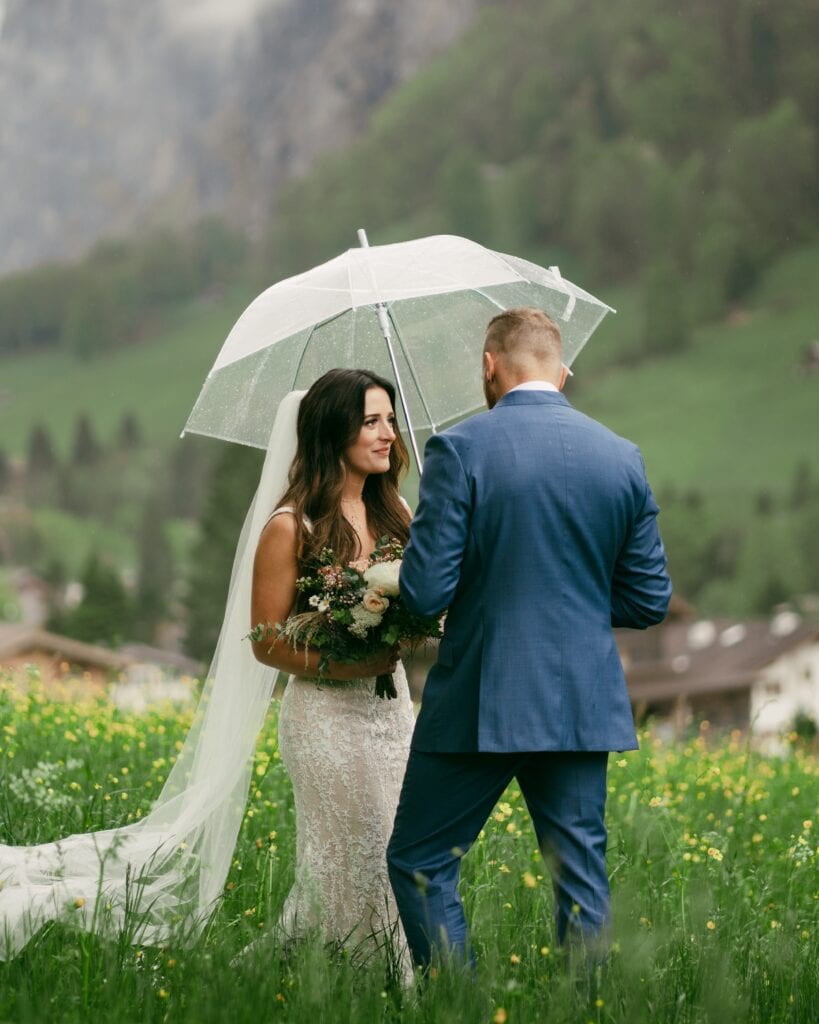
A legal marriage is a civil or religious ceremony that is officially recognized by the government of the country in which it takes place. In the Alps, religious ceremonies do not include a legal aspect. The civil marriage involves completing a lot of paperwork beforehand (sometimes taking months), formal translation, and generally takes place at a government office. Couples coming from abroad cannot legally marry in many parts of the Alps.
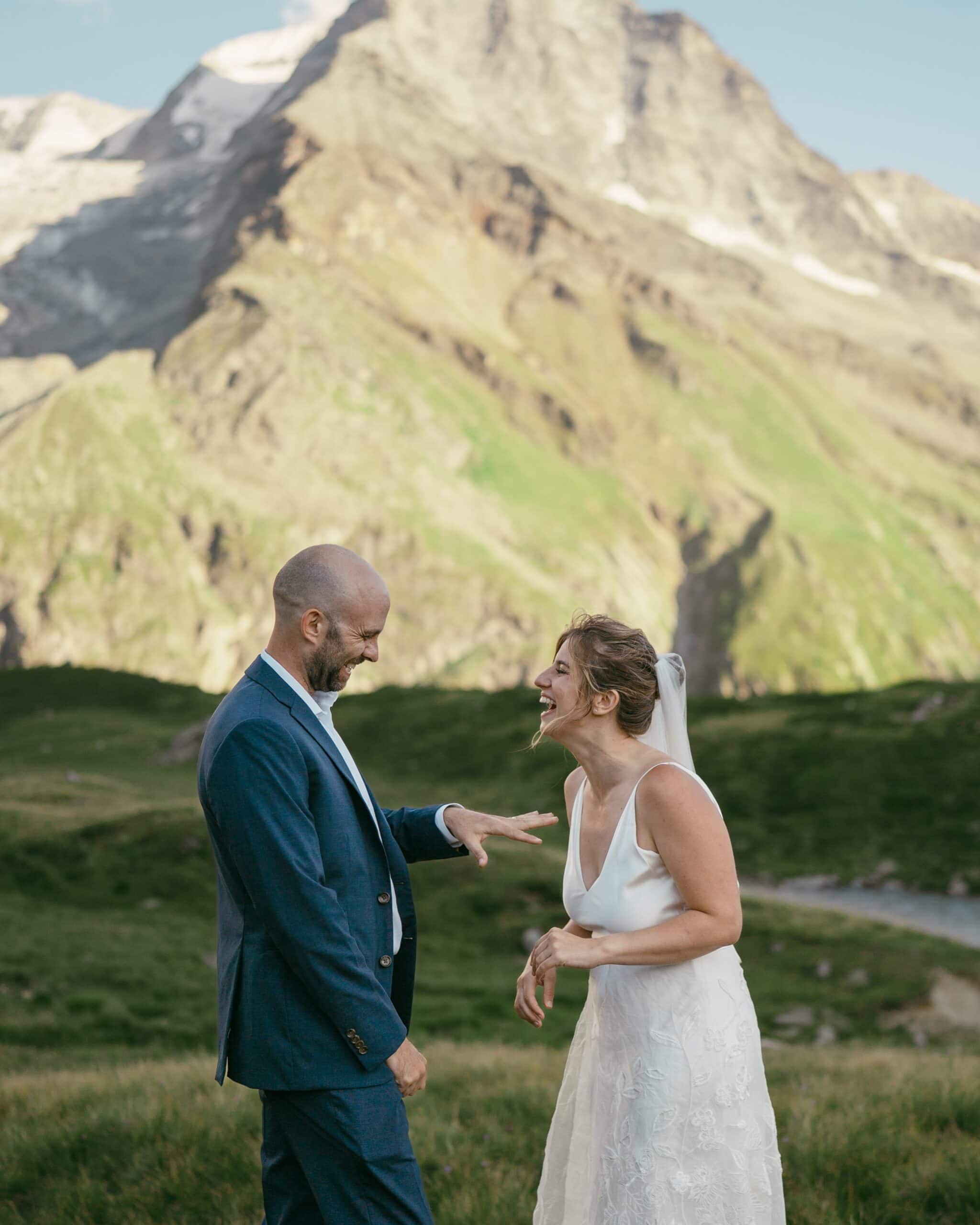
A symbolic ceremony, on the other hand, is not legally binding in any way. However, this does not make it any less meaningful. On the contrary, I’ve had countless couples tell me their symbolic ceremony was ‘’what made it all feel real’’. Your symbolic ceremony is the time you can create a deeply intentional, personal ceremony built around your relationship. It’s your way of expressing love, your personal vows, and the ritual that matter to you.
When and Where to Have Your Legal Wedding Ceremony
Most couples we work with hold their symbolic ceremony in the Alps, and take care of the legal side in their home country either before or after their trip.
For couples who are close with their families, inviting them to the courthouse for the legal aspect, followed by a small celebratory meal, can be a fun way to mark the moment together.
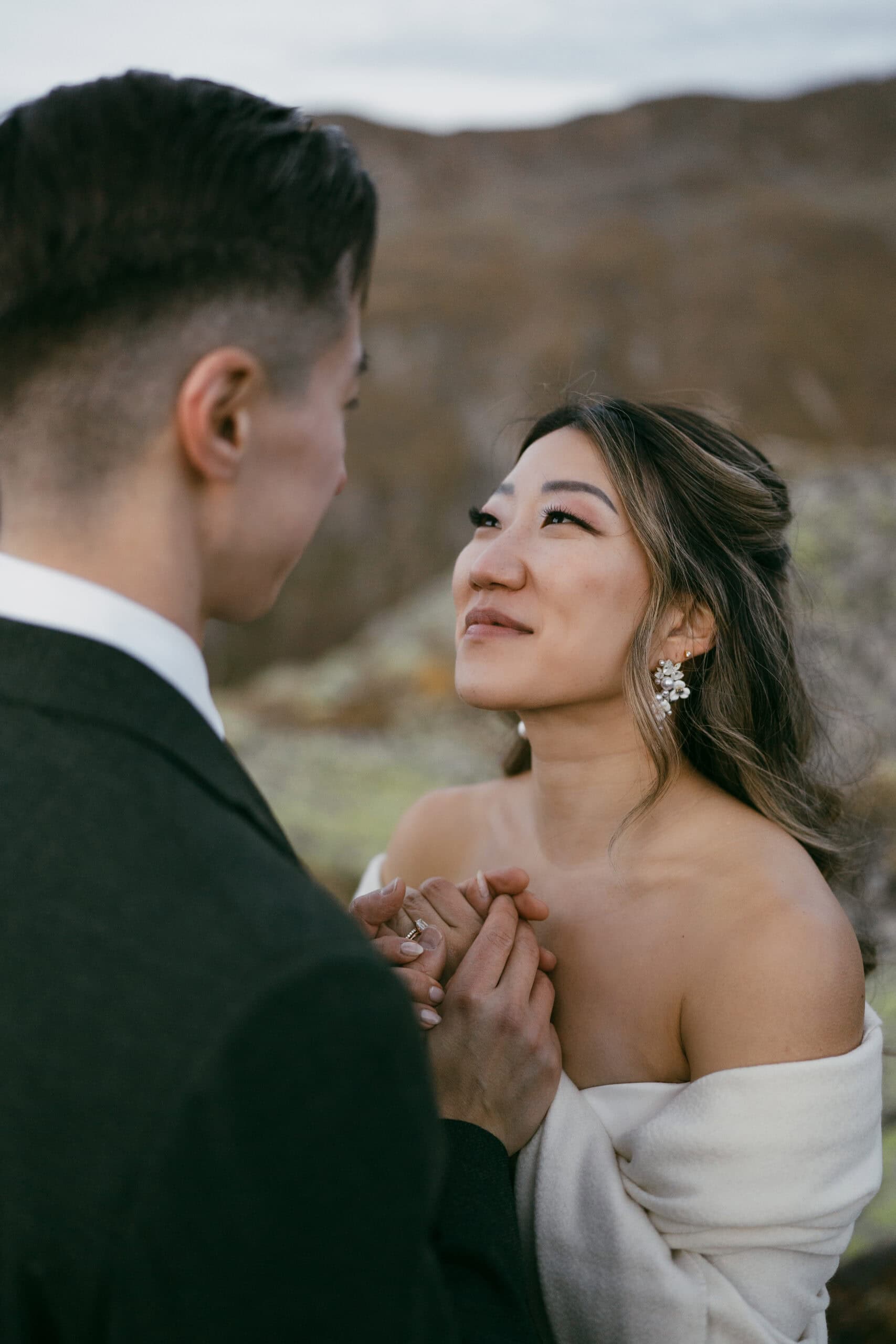
Your Symbolic Ceremony is Meaningful and Real
We’ve heard some couples worry – will a symbolic ceremony feel like a lesser version of getting married?
Symbolic ceremonies aren’t a pretend ceremony or a ‘’practice run’’, though. The vows you share and the commitments you make with your partner are real. That moment you get to stand together in the mountains, reflecting on how far you’ve come and where you’re going, is a moment unlike any other. I’ve photographed countless couples in the Alps who share this moment, and I still can’t get over the magic of it all.
Why you Should Plan a Symbolic Ceremony in the Alps
The Alps offer some of the most dramatic, awe-inspiring landscapes out there. For couples who want a ceremony and adventure that connects you to each other and the world around you, it’s one of the best places out there. But beyond the scenery, there are a few very practical reasons why a symbolic ceremony in the Alps makes sense.
Symbolic Ceremonies Allow You to Ditch the Complicated Paperwork
Legally marrying abroad can be complex, and many destinations in the Alps seem to thrive on bureaucracy (take it from a local!). Depending on the country, it can involve months of preparation, including in-person appointments, certified documents, translations, and even proof of residency. Legal requirements can even change from the US equivalent of county to county.
A symbolic ceremony sidesteps all of this completely, because it carries no legal weight.
You Can Symbolically Elope Almost Anywhere in the Alps
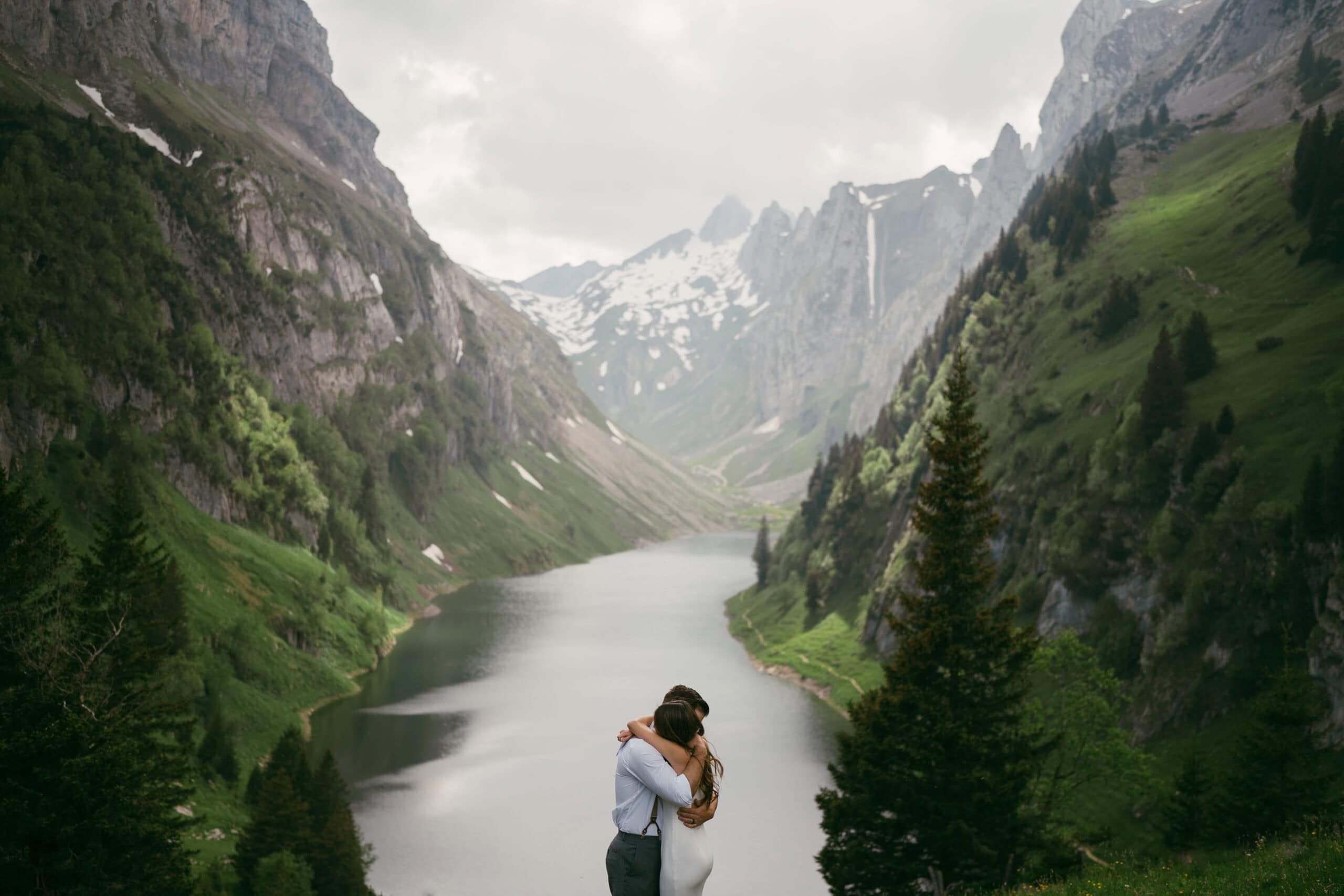
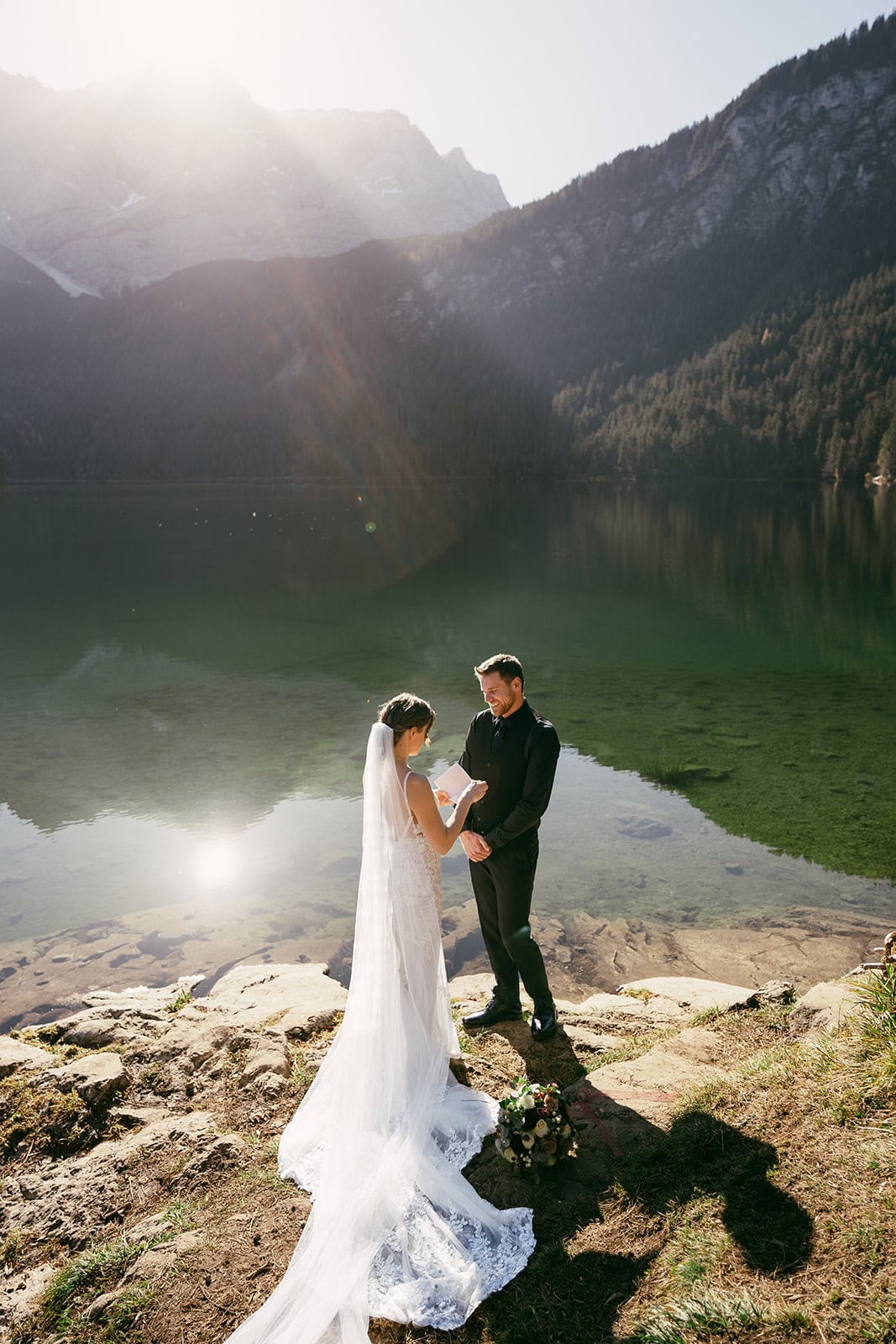
One of the best parts of symbolic ceremonies? You have complete location flexibility in the Alps. Rather than getting married in a legally designated ceremony space (that often looks akin to an office), you can exchange vows in a spot that inspires you. Whether it’s on top of a mountain, among a grove of autumnal trees, or beside a quiet alpine lake – any of it is possible.
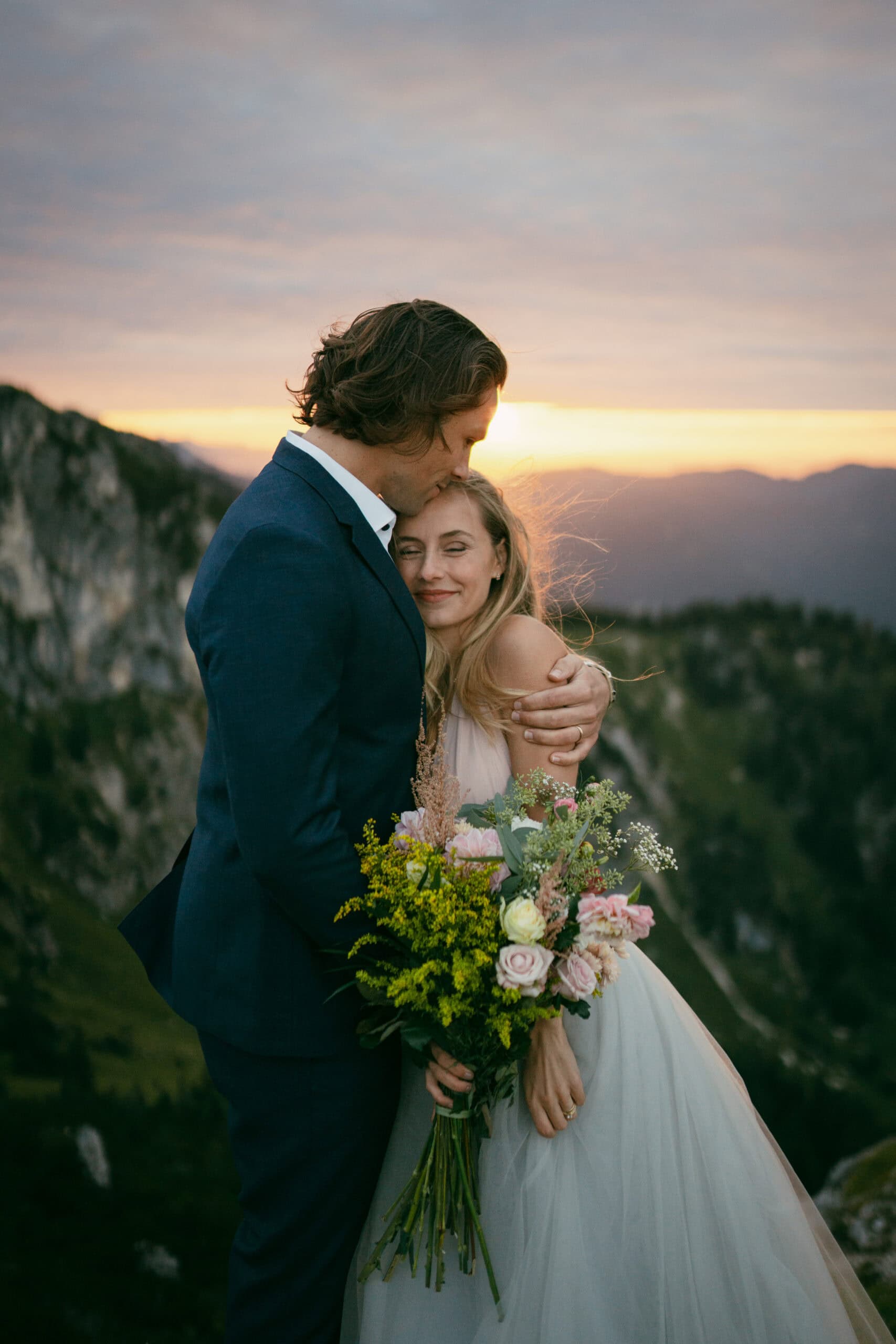
Every Aspect of Your Ceremony is Personal
With a symbolic ceremony, you aren’t bound by any legal or religious traditions unless you choose to be. Your vows can be written entirely from scratch. You can incorporate rituals that are personal to your relationship. You can have it at sunrise, mid-hike, or under a twilight sky. Because it’s just you, your partner, and your photographer or videographer, you can have the privacy and space to be completely yourselves.
Ideal for Couples Who are Already Legally Married
Symbolic ceremonies are also a great option for couples who are already legally married but never had the ceremony they actually wanted. Perhaps you had a small civil ceremony during a difficult time, or your wedding didn’t reflect who you are as a couple. A symbolic ceremony in the Alps gives you the chance to celebrate your commitment in a way that finally feels like you.
What Happens During a Symbolic Ceremony?
One of the most common questions couples ask is, ‘’What does a symbolic ceremony actually look like?’’. If you’ve only ever attended traditional weddings, the format might feel unfamiliar.
While there isn’t any single ‘’correct’’ format for symbolic elopement ceremonies, most share a fairly similar structure
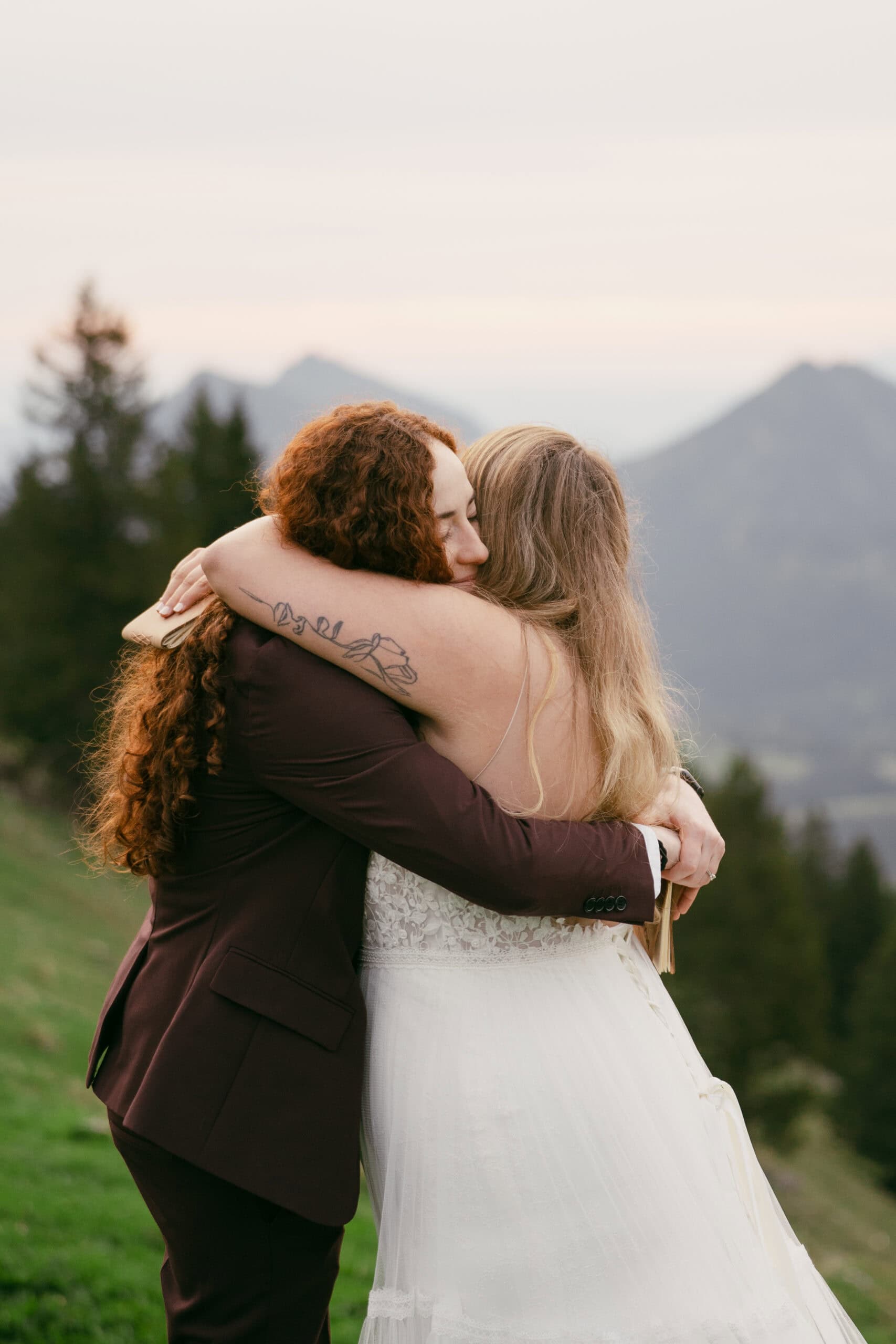
Symbolic Elopement Ceremonies (Just the Two of You)
Symbolic ceremonies that are self-led typically last anywhere from 5 to 15 minutes.
A two-person symbolic ceremony can be as simple and meaningful as:
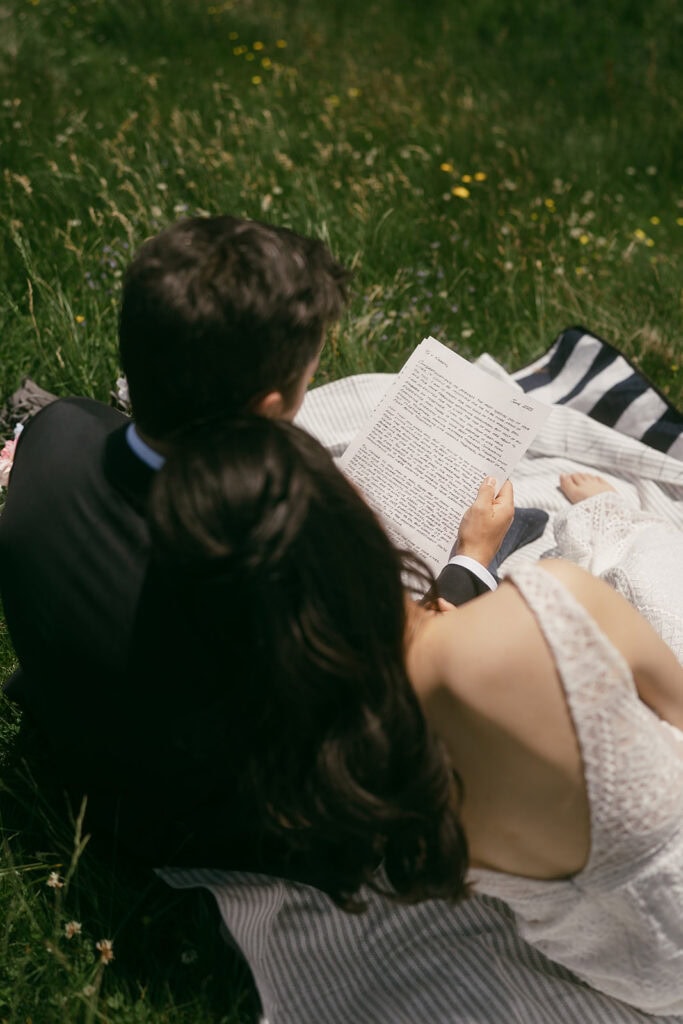
- Each partner reads personal vows
- Exchanging of rings
- Sharing a first kiss
Then, you have some time to just be in the moment, take in the view, and embrace each other. You’re married, and what an incredible experience it has been to get to this point.
After your ceremony, you could also share a first dance, a toast, or a dessert to commemorate the moment and take it all in.
Pro-Tip: You can also include other rituals in your ceremony before or after reading vows (which I share a bit later in this guide).
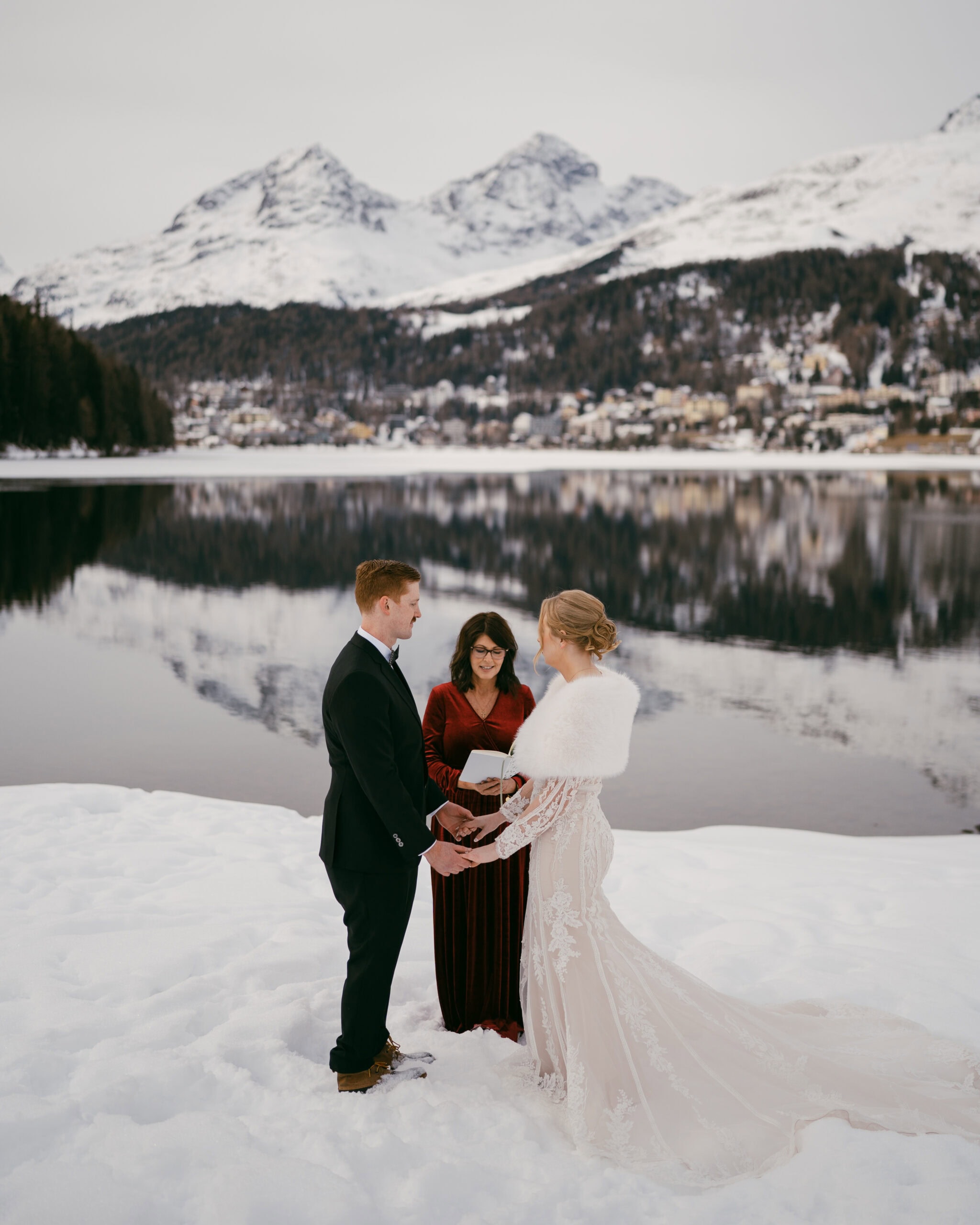
Symbolic Elopement Ceremonies Led by a Celebrant or With Guests
Symbolic ceremonies that are led by a celebrant or friends/family typically last anywhere from 25 to 40 minutes, depending on your vision.
A celebrant or family-led ceremony may include:
- The celebrant or family member/friend opens up the ceremony and sets the tone.
- After welcoming everyone, the celebrant or family member/friend will likely build a story of your relationship, help facilitate a ritual, and share advice or other marriage anecdotes.
- Eventually, you’ll be invited to exchange vows. These can be personal vows or the traditional marriage vows.
- Exchanging of rings
- Closing of the ceremony, and the invitation to kiss.
Pro-Tip: Many couples opt for two ceremonies. One, just the two of them, to private exchange personalized, handwritten vows. The second ceremony, with a celebrant and/or family and friends, is where you exchange traditional wedding vows.
Do I Need an Officiant for My Symbolic Ceremony in the Alps?
No, you don’t. Only about 10-15% of our couples opt to hire an officiant (often referred to as a celebrant out here). Most of the couples who do hire an officiant often choose to do so because they have guests involved and want something more formal.
We have English-speaking celebrants we are happy to recommend to our booked couples.
What Does a Celebrant Do During a Symbolic Elopement Ceremony?
A symbolic ceremony officiant, called a celebrant, doesn’t perform any legal functions. Their role is to craft and deliver a ceremony that tells your story. A celebrant will help guide the ceremony structure, introduce your vows, facilitate any rituals you’ve chosen, and help you create a ceremony that feels like you.
Tips for Writing Vows That Feel Authentic
Writing your vows can be a part of the planning process that brings some of the most excitement…and also anxiety. Figuring out how to express your love, relationship, and self, in a way that feels authentic and meaningful can feel daunting. Below you’ll find a few tips on how to approach vow writing.
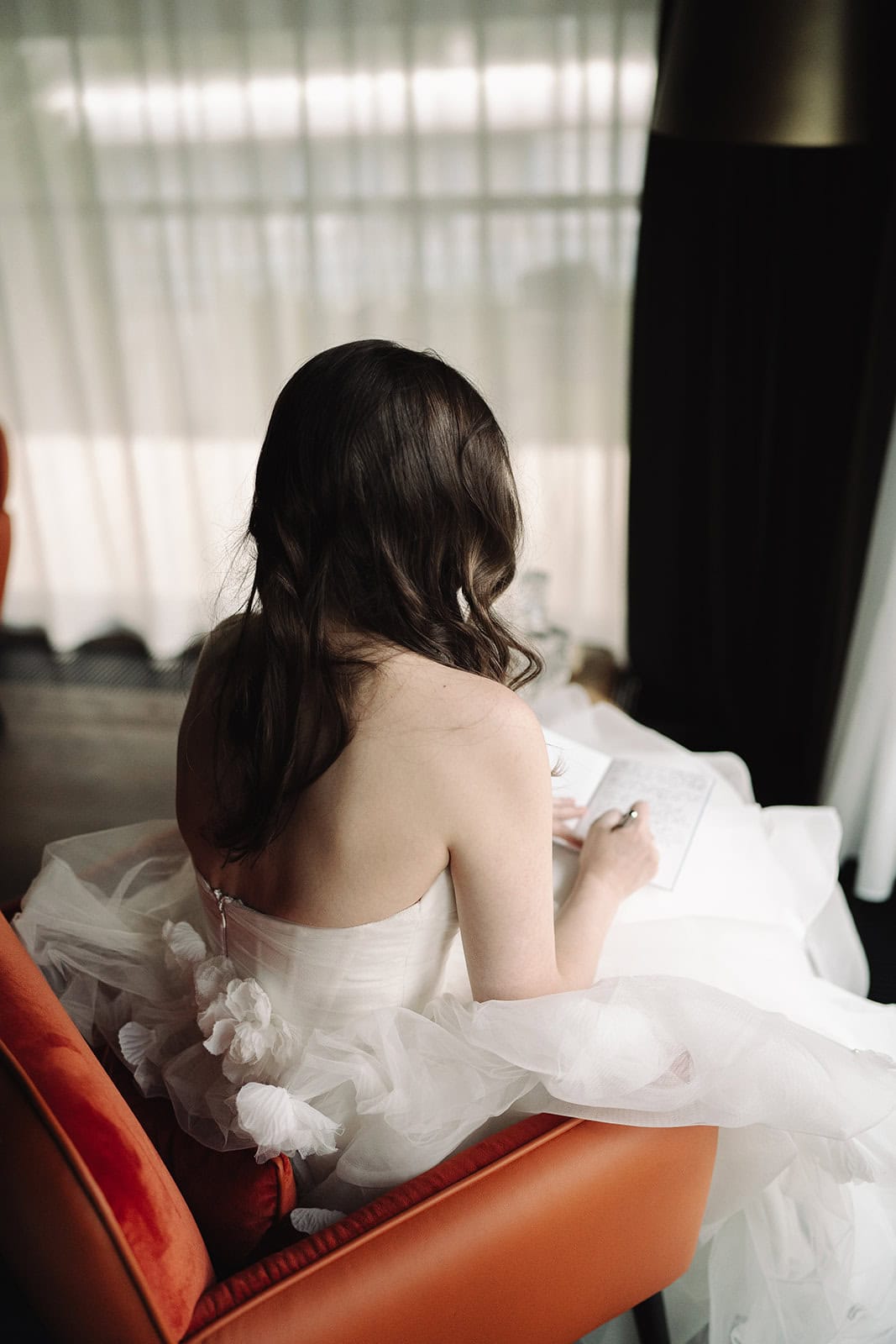
- Start with a story. Instead of opening with “I love you because…”, try starting with a specific moment. Whether it was the first time you knew you loved your partner, a conversation you had, or even an inside joke – reflecting on those moments will always feel personal and special.
- Write to your partner, not to an audience. Ditching traditional weddings means being able to ditch feeling the need to perform. This is your time to connect, as if no one else is listening.
- Include promises. Vows are, at their core, commitments. Make sure your vows include at least one concrete commitment or thing you pledge to do. Promises can even include humorous elements, (i.e. – I vow to always save the pickles off my hamburger for you). You can be both heartfelt, creative, and funny.
- Set a few expectations beforehand. Some couples worry their vows will be too short compared to their partners’, or wildly vary in tone. Setting a few expectations with your partner beforehand can help you both feel a little less nervous as you begin writing.
How long should my vows be?
This can widely vary between couples, but anywhere from 2-5 minutes per partner can be a good goal to aim for.
Should I keep my vows secret beforehand?
This comes down to personal preference. We’ve found that waiting to share your vows until the ceremony can be especially meaningful to many couples. If sharing beforehand would help you feel more comfortable, there’s nothing wrong with that either.
How far in advance should I begin writing my vows?
A few weeks beforehand can be a great time to begin. Many couples like to begin writing their vows in a notes app on their phone or in a Google document. Then, on the morning of their elopement, they’ll take some time to transcribe them into their vow book.
You won’t be alone if you wait until the night before to begin, though – we’ve had plenty of couples wait until the last minute.
Tools to help you write your vows
If you get stuck during the process, one website our couples have raved about is Provenance. It helps you build the story of you and your partner by answering a variety of questions, compare tone and length with your partner (without sharing your vows beforehand!), and more.
Rituals and Activity Ideas for Your Symbolic Ceremony in the Alps
Beyond exchanging vows, ceremony rituals give you a way to do something together that further builds connection and meaning. Here are a few ideas to help you get started.
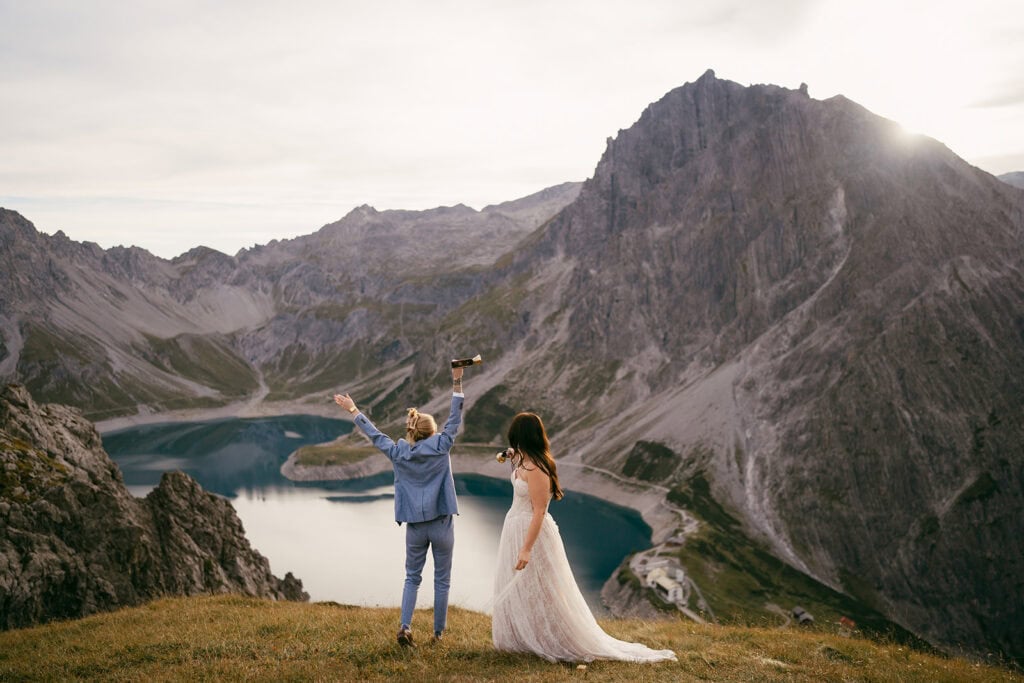
Exchanging Rings
Rings have symbolised unending commitment across cultures for centuries. The circular shape represents a bond with no beginning and no end. Rings are a couple’s lasting physical reminder of the vows exchanged on their wedding day.
Hand-fasting
Rooted in ancient Celtic tradition, hand-fasting involves binding your joined hands with ribbon, cord, or fabric as a symbol of your union. It also can be tied to the literal term of, ‘’tying the knot’’.
Bell Ringing
In a bell-ringing ceremony, the couple and any guests each ring a small handbell to mark the moment they are pronounced married. It’s a fun ritual rooted in the tradition of bells signalling celebration and new beginnings. We’ve had couples ring cow bells at the end of their ceremony, which fits especially well in the Alps.
Sealing an Anniversary Box
An anniversary box is a sealed collection of mementos- letters, photos, or even a favourite drink- that is sealed up on your wedding day and opened together at a future milestone or anniversary.
Sage Smudging
Sage smudging is a purification ritual in which burning sage is used to cleanse the couple’s energy and set a positive intention for their marriage. Rooted in Indigenous tradition, it’s a deeply symbolic act of releasing the old and welcoming the new.
Beer Mixing
A beer mixing ceremony is a fitting Alps unity ritual in which each partner pours their chosen beer into a single shared glass, combining two into one, and then drinks it together. If mixing beers, it’s best to choose kinds that are complementary of each other (otherwise, you’re in for an unwelcome taste!).
Building a Unity Sandwich
For a post-ceremony treat, have you considered building a unity sandwich? We’ve had one couple who celebrated getting married by making some PB&J’s afterward, which has always been their go-to hiking snack. It only made sense to enjoy one together on their elopement day.
Lighting a Unity Candle
A unity candle ceremony involves each partner lighting an individual candle before coming together to light a single, larger one. It’s a simple but visually powerful symbol of two lives joining into one. Unity candle ceremonies are best done at small wedding venues instead of on the trail.
Ring Warming Ceremony
If you have a small group of loved ones present, ring warming is one of my favorite rituals. Your rings are passed among your guests before the exchange, each person holding them briefly and silently offering a prayer or their love and wishes.
FAQs About Symbolic Ceremonies in the Alps
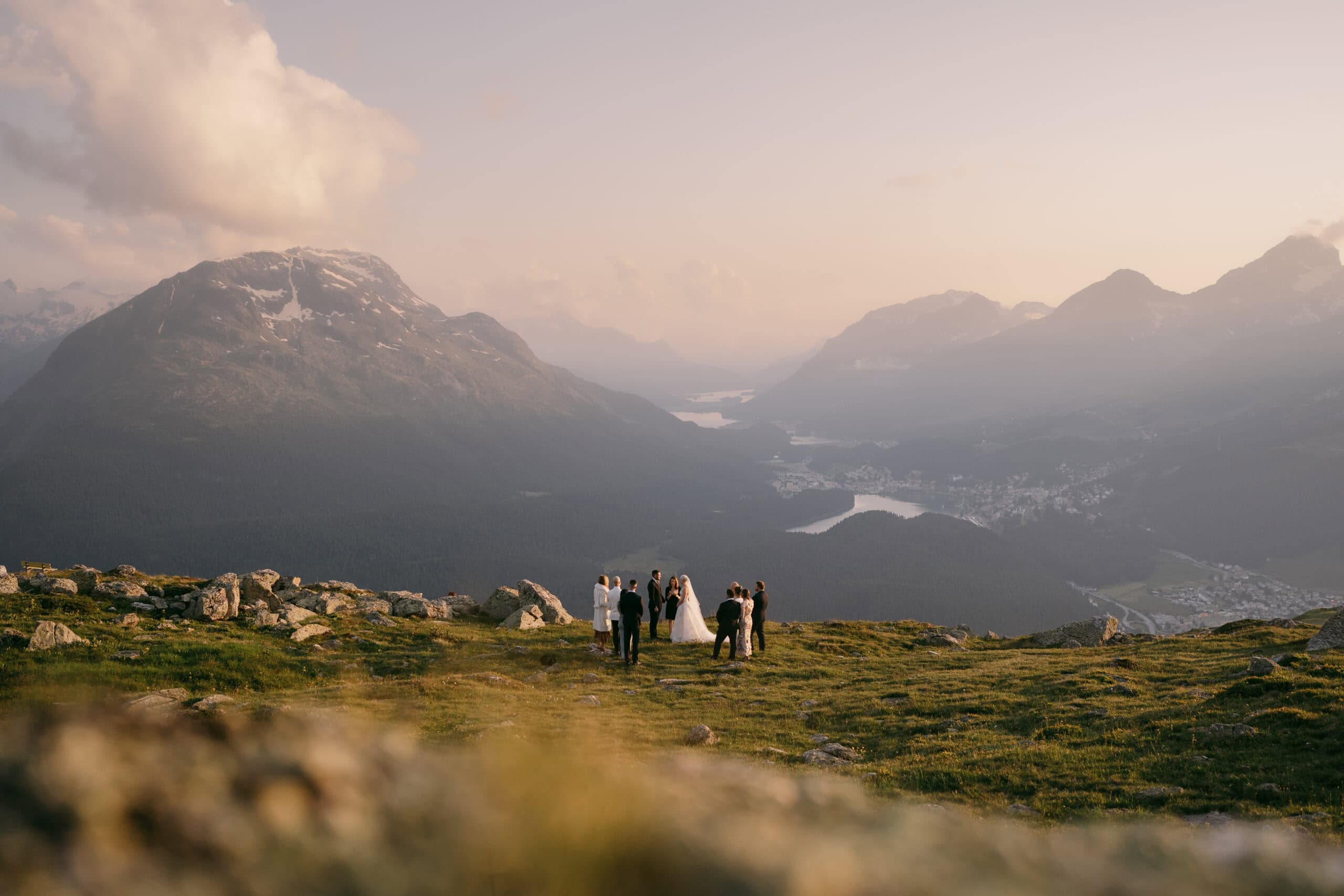
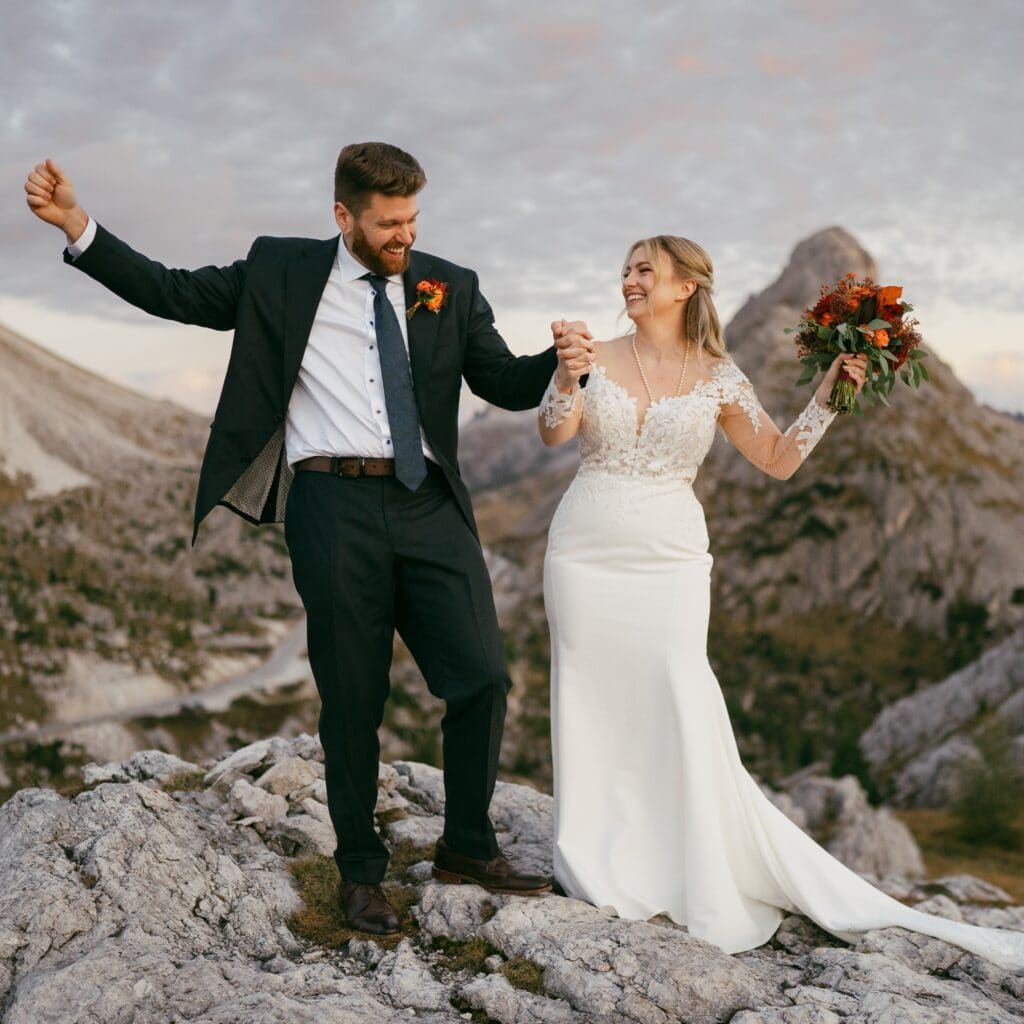
Alps Elopement Packages
If you’re ready to start making your symbolic elopement in the Alps a reality, you can check out our Alps elopement packages here. You can also contact us to set up a free consultation call.
Every Alps Elopement Package Includes:
- 8+ hours of photography coverage with the option to add on videography
- My VIP elopement planning guide and English-speaking vendor guide
- Personalized Questionnaires
- Custom location guides and timeline assistance
- Unlimited support from me, your American living in the Alps
- All photographer/videographer travel fees are covered
Real Symbolic Elopements in the Alps Reviews
As your Dolomites and Alps elopement photographer, I offer so much more than just taking photos. I work with every wedding couple to create a unique, tailored-to-them experience via personalized questionnaires, custom location guides, and support calls. You deserve a stress free wedding, connectedexperience in the Alps.
Dolomites and Alps Elopement Reviews
Here’s what my couples have shared about working with me…
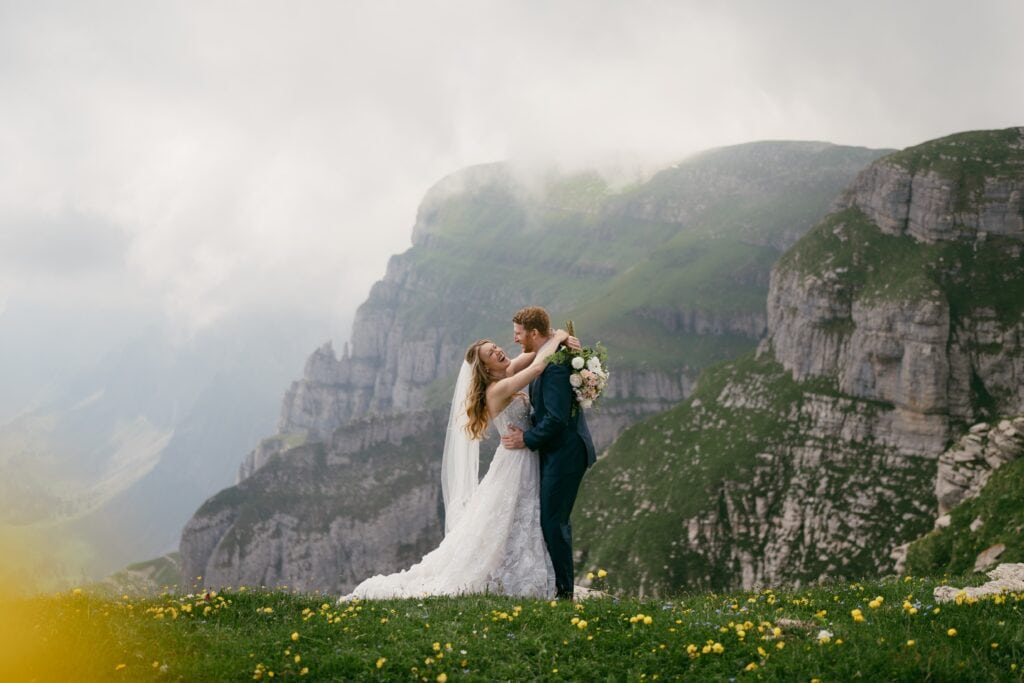
”My husband and I worked with Christine and Scott to capture and help us plan our elopement …From the very start they were a delight to work with, very detail oriented, and made the entire process of planning an elopement feel fun and put us at ease. We were concerned it may feel like we were just walking around taking photos, but this couldn’t be further from the truth. Christine and Scott were so thoughtful and helped us with ideas to create a day that was perfect for us. ‘‘
-Lyndsey + dominic
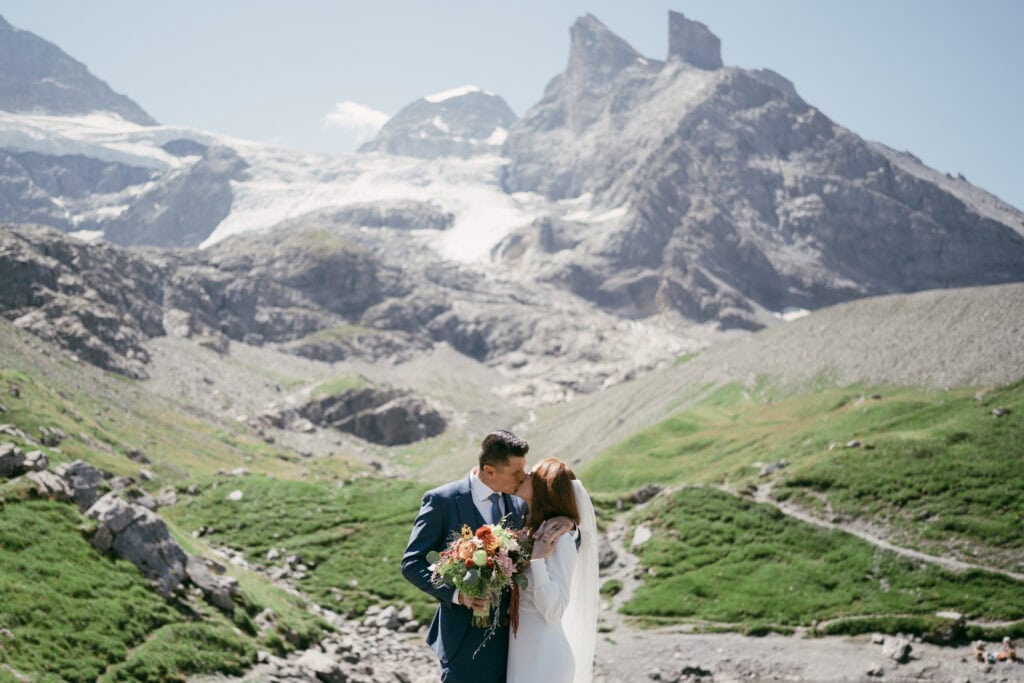
‘’I cannot recommend Christine of Made in the Mountains Photo enough. It is because of her that we were able to celebrate our marriage in a way that felt perfectly us…Every single photo in our gallery was gorgeous. But in addition to her obvious talent as a photographer, she is just a lovely human being. Having her with us on our 2 day elopement was a joy. It was like having a friend by our side who legitimately cared about us and wanted us to have the most perfect celebration of love.
-Jaclyn + Bryce
Leave a Reply
©2026 Made in the mountains Photography | IMPRESSUM + Privacy Policy | SITE MAP | Copy, Branding & website design by Bella Maven